Why Choose Steel Bar for Your Construction Needs?
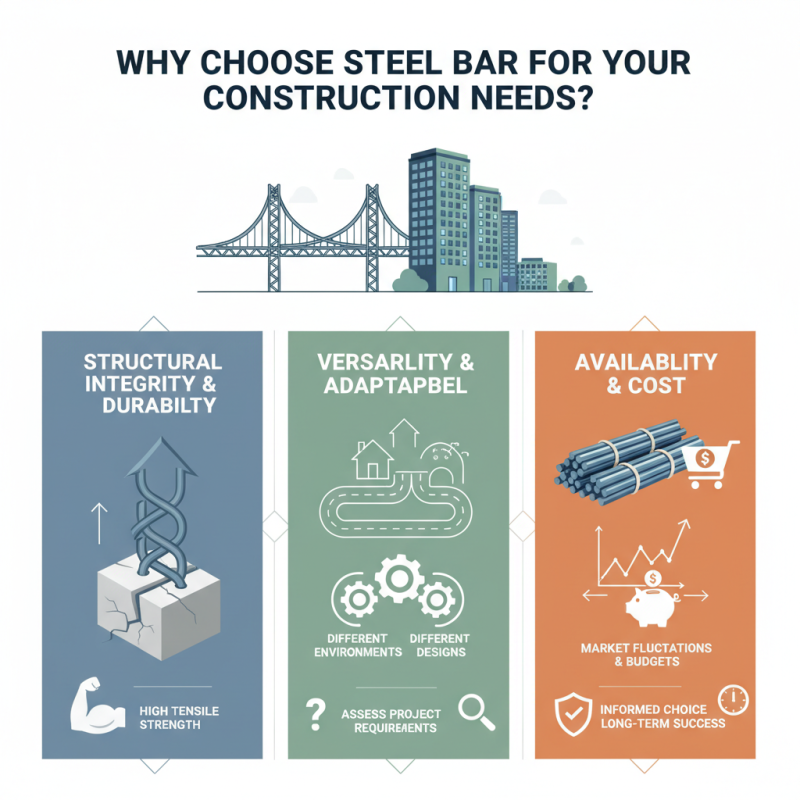
When considering the best materials for construction, the choice of Steel Bar stands out. Steel Bars offer unique benefits that enhance structural integrity and durability. Their high tensile strength makes them ideal for various construction projects, from residential buildings to large bridges.
Steel Bars bring a level of versatility that few other materials can match. They can easily adapt to different environments and designs. However, it's crucial to assess the specific requirements of your project to ensure a perfect fit. Not every application will benefit from Steel Bars as much as others.
Another aspect to consider is the availability and cost of Steel Bars. While they are generally affordable, fluctuations in the market can impact overall project budgets. This unpredictability could pose challenges. Ultimately, making an informed choice about Steel Bars can lead to successful construction outcomes that withstand the test of time.
Benefits of Using Steel Bars in Construction Projects
When it comes to construction projects, choosing the right materials is crucial. Steel bars stand out due to their remarkable strength and versatility. According to industry research by the American Institute of Steel Construction, steel structures can withstand multiple stresses, making them ideal for both residential and commercial buildings. This material's tensile strength is typically around 250 MPa, significantly surpassing that of many alternatives.
Another benefit is corrosion resistance. Modern steel bars often undergo treatments that enhance their durability. A study from the National Association of Corrosion Engineers highlights that treated steel can last up to 50 years or more, depending on the conditions. This longevity can greatly reduce maintenance costs over time.
Tip: Always evaluate the environment where the steel will be used. Local climate conditions can impact performance. In addition, consider the weight-to-strength ratio of steel bars. Their lightweight nature can simplify handling and reduce transportation costs. For projects with limited budgets, this efficiency can be a game-changer. Remember, while steel offers many advantages, it is essential to assess the specific needs of each project carefully.
Key Properties of Steel Bars that Enhance Structural Integrity
Steel bars are vital in construction due to their key properties that provide exceptional structural integrity. One major strength is their tensile strength. This means steel can withstand heavy loads without bending or breaking. This characteristic is crucial in building strong foundations and frameworks.
Another important property is ductility. Steel bars can be stretched and shaped without losing strength. This ability allows engineers to create complex designs that remain stable under stress. The material's resistance to deformation ensures longevity. A structure that can flex under pressure is less likely to suffer catastrophic failure.
Corrosion resistance is also noteworthy. Steel bars are often treated to withstand harsh environments. This quality helps them last longer, reducing maintenance needs. However, not all treatments are foolproof. There are instances where corrosion compromises safety. Regular inspections are crucial to address wear and tear effectively. Despite these vulnerabilities, the overall benefits make steel bars a fundamental choice in modern construction.
Cost Efficiency of Steel Bars Compared to Other Materials
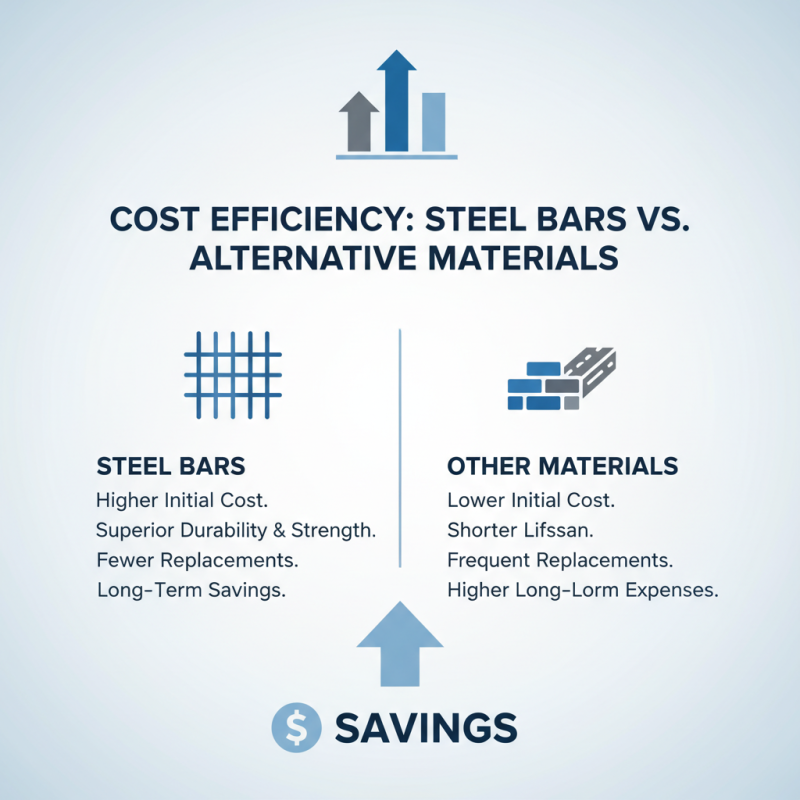
When considering construction materials, cost efficiency is crucial. Steel bars commonly outperform other materials in terms of pricing and durability. The initial cost of steel bars might be higher than some alternatives. However, their longevity and strength lead to savings over time. Projects using steel bars often require fewer replacements. This translates to lower long-term expenses.
Tips: Choose the right steel grade for your project. Higher grades can withstand more weight but may come with an increased cost. Assess your needs before selecting.
Moreover, steel bars offer versatility in construction. They can be molded into various shapes and sizes. This adaptability helps reduce waste during the building process. Fewer materials wasted means more cost savings. Using steel bars also allows for faster construction timelines. Projects can progress more quickly, reducing labor costs.
Additionally, always consider the market fluctuations for steel. Prices can change due to global demand and supply. Being aware of these trends can help you make informed decisions. Balancing short-term costs with long-term benefits is vital in your material choice.
Environmental Impact of Steel Bars in Sustainable Construction
Steel bars are essential in modern construction. Their durability and strength make them a preferred choice. However, their environmental impact is often overlooked. The production of steel bars requires significant energy, contributing to greenhouse gas emissions. This is a critical factor in sustainable construction.
Recycling steel can mitigate some negative effects. The steel industry is one of the most recycled sectors globally. Utilizing recycled materials reduces resource extraction and energy consumption. However, the recycling process itself isn't without consequences. Not all recycling facilities operate efficiently, which can lead to pollution and waste.
Developing more sustainable practices is crucial. Innovations in steel manufacturing aim to decrease carbon footprints. For example, some companies explore alternative energy sources for production. Yet, widespread adoption remains a challenge. The need for clear, regulatory frameworks is evident. Effective regulation can drive the shift toward greener steel production. Balancing strength and sustainability requires ongoing effort and collaboration in the construction industry.
Common Applications of Steel Bars in Modern Building Techniques
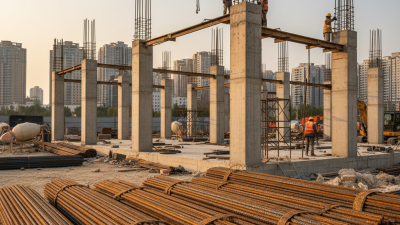
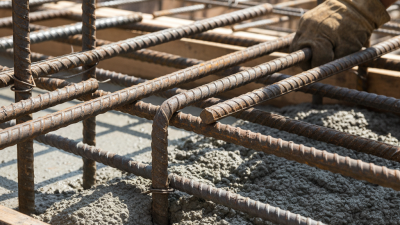
Steel bars play a crucial role in modern construction. Their strength and durability make them ideal for a variety of applications. In commercial buildings, steel bars are often used in reinforced concrete. This combination provides excellent stability and support, ensuring structures can withstand heavy loads over time.
Another common application of steel bars is in bridges. Engineers often rely on their tensile strength to create safe and reliable structures. Steel bars can be found in the framework of the bridges, increasing their lifespan. However, constructing with steel also presents challenges, such as corrosion. Addressing these issues is essential for long-term sustainability.
In residential buildings, steel bars are used in foundations and walls. They enhance the overall integrity of the structure. Yet, the installation process can be complex and requires skilled labor. Proper alignment is crucial to avoid structural weaknesses. As with any material, careful consideration and planning are necessary.