China Top Structure Pipe Supplier for Global Buyers?
As the demand for high-quality Structure Pipe continues to rise globally, China emerges as a key supplier. Chinese manufacturers excel in producing durable and versatile pipes that meet international standards. Their advanced technology and skilled workforce contribute to a strong competitive edge in the global market.
However, challenges remain. While China's production capabilities are impressive, concerns about quality assurance sometimes arise. Buyers must navigate various suppliers to ensure they receive reliable products. Understanding the landscape of China’s Structure Pipe industry is crucial for global buyers.
In the quest for quality, long-lasting relationships with reputable suppliers can make a difference. Buyers must invest time to evaluate potential partners thoroughly. This approach helps mitigate risks and fosters trust in the partnerships. Ensuring quality in Structure Pipe procurement involves diligence and careful planning.

China's Position in the Global Structure Pipe Supply Industry
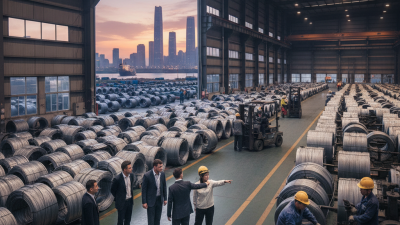
China has established itself as a dominant force in the global structure pipe supply industry. According to a recent report from the World Steel Association, China produced over 1 billion metric tons of steel in 2022, accounting for more than half of the world’s total steel output. This massive production capacity positions China as a key player in the supply of structural pipes, which are essential for various industries, including construction and manufacturing.
The global demand for structure pipes is anticipated to grow steadily, with an expected CAGR of 4.5% from 2023 to 2030. China's exports of steel pipes reached approximately 10 million metric tons in 2021. However, challenges remain, such as fluctuating raw material costs and environmental regulations. Some industries have voiced concerns about quality control and sustainability practices in large-scale production. Efforts are ongoing to improve these aspects, but inconsistencies in quality still pose risks.
The competitive landscape is evolving. While China's market share is strong, suppliers from other regions are gaining traction. Customers are increasingly looking for not only cost-effective solutions but also reliable quality and service. As China continues to dominate the market, it must address these concerns to maintain its leadership. The industry is at a crossroads, where quality and sustainability could reshape the future of structural pipe supply.
Key Factors Driving Demand for Structure Pipes Worldwide
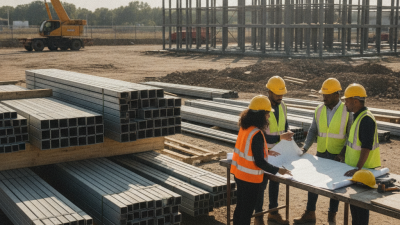
The demand for structure pipes is on the rise, driven by various factors. The global construction market is projected to reach $10 trillion by 2023, according to a report by GlobalData. This growth significantly boosts the need for structure pipes, primarily used in construction and infrastructure projects. These pipes provide essential strength and durability, vital for modern architectural designs.
Another driving force is the shift towards sustainable construction practices. More industries are adopting environmentally friendly materials to reduce carbon footprints. A study by MarketsandMarkets estimates that the green building materials market will grow from $266 billion in 2020 to $500 billion by 2027. Structure pipes made from recycled materials are gaining traction, aligning with this trend.
Furthermore, advancements in manufacturing technology are enhancing the quality of structure pipes. Innovations such as precision welding and advanced corrosion coatings improve longevity. However, the industry also faces challenges, including fluctuating raw material costs and supply chain disruptions. These factors often lead to a lack of consistency in availability and pricing, necessitating careful planning for buyers.
Overview of China's Leading Structure Pipe Manufacturers
China has emerged as a top supplier of structure pipes in the global market. The country boasts numerous manufacturers known for their production capabilities. Many of these factories harness advanced technologies to ensure high-quality products. They focus on various materials, including steel and aluminum, to meet diverse client needs. Their large-scale operations allow for significant output, thus catering to international buyers.
Leading manufacturers take pride in their state-of-the-art facilities. They often implement rigorous quality control processes. This ensures that the pipes meet global standards. However, there are challenges within the industry. Some manufacturers struggle with sustainability practices. Addressing environmental concerns may require further investment.
Additionally, the competitive market landscape can lead to inconsistencies. While some companies excel in innovation, others rely on traditional methods. This disparity can affect buyers’ experiences. As international demand grows, choosing a reliable supplier becomes critical. Buyers should assess quality, pricing, and delivery timelines before making decisions.
China Top Structure Pipe Supplier for Global Buyers
| Manufacturer |
Annual Production (tons) |
Export Markets |
Main Products |
Certification Standards |
| Leading Pipe Co. |
150,000 |
North America, Europe, Asia |
Construction Pipes, Industrial Pipes |
ISO 9001, ASTM A53 |
| Pipes Global Ltd. |
200,000 |
Asia, South America, Africa |
Galvanized Pipes, Structural Steel |
CE, ISO 14001 |
| Reliable Tube Co. |
120,000 |
Middle East, Europe |
Seamless Pipes, Alloy Pipes |
API 5L, ASME |
| Advanced Pipe Works |
175,000 |
North America, Australia |
Welded Pipes, Structural Tubes |
ISO 9001, ASTM A500 |
Market Share Analysis: China vs. Other Major Suppliers
China has emerged as a dominant player in the structure pipe supply market. Its production capabilities and cost advantages attract global buyers. This landscape poses challenges for other major suppliers seeking to compete. Countries such as the United States and those in Europe face hurdles in matching China's efficiency and pricing.
Market share analysis reveals significant trends. Chinese suppliers control a large portion of the market. This dominance can be attributed to their extensive manufacturing networks and investment in technology. However, reliance on a single supplier can lead to vulnerabilities. Buyers may need to consider diversification to reduce risk and ensure supply chain stability.
While China's growth is impressive, there are areas for improvement. Quality control remains a concern, and not all suppliers meet international standards. Additionally, fluctuating trade policies can affect pricing and availability. Buyers must remain vigilant and conduct thorough research before making purchasing decisions in this evolving market.
Market Share Analysis: China vs. Other Major Suppliers
Quality Standards and Certifications for Structure Pipes in China
China has established itself as a leading supplier of structural pipes for global markets. Buyers often emphasize quality when choosing a source. Thus, understanding the quality standards and certifications in China is essential for procurement decisions. The country’s manufacturers typically comply with international norms. These include ISO certifications, which ensure consistency in production and quality control.
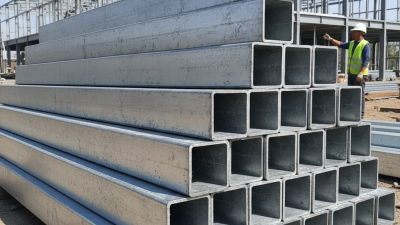
Various standards apply to structural pipes, including ASTM and EN specifications. These standards guarantee the pipes meet safety and performance expectations. However, not all suppliers may comply with these standards consistently. This inconsistency raises critical questions about reliability. Buyers should conduct thorough research to assess a manufacturer's credentials, looking for certifications that validate quality claims.
Additionally, it's important to engage in due diligence. Not all suppliers meet quality expectations. Some may even lack proper documentation. Buyers can benefit from reviews and industry feedback. Engaging with experienced professionals during the selection process can be invaluable. It aids in making informed decisions and avoids potential pitfalls in sourcing structural pipes from China.