What Is the Best Stainless Steel Pipe Supplier in China?
Choosing the best Stainless Steel Pipe supplier in China requires more than comparing prices. It demands evidence, technical judgment, and careful attention to project conditions. A polished website is not enough. The real test appears in mill certificates, inspection records, and delivered pipe quality.
Pierre-Jean Cunat, a recognized stainless steel specialist, explains, “Stainless steel is a family of alloys, not one universal material.” This point matters. A supplier should recommend grades such as 304, 316L, or duplex stainless steel according to corrosion exposure, temperature, pressure, and welding requirements. A cheap grade can become an expensive mistake.
Look for suppliers with proven export experience and traceable production. Ask whether they control melting, forming, heat treatment, and surface finishing. Request certificates showing chemical composition, mechanical properties, dimensions, and hydrostatic testing. Third-party inspection can add confidence, especially for oil, chemical, food-processing, and construction projects.
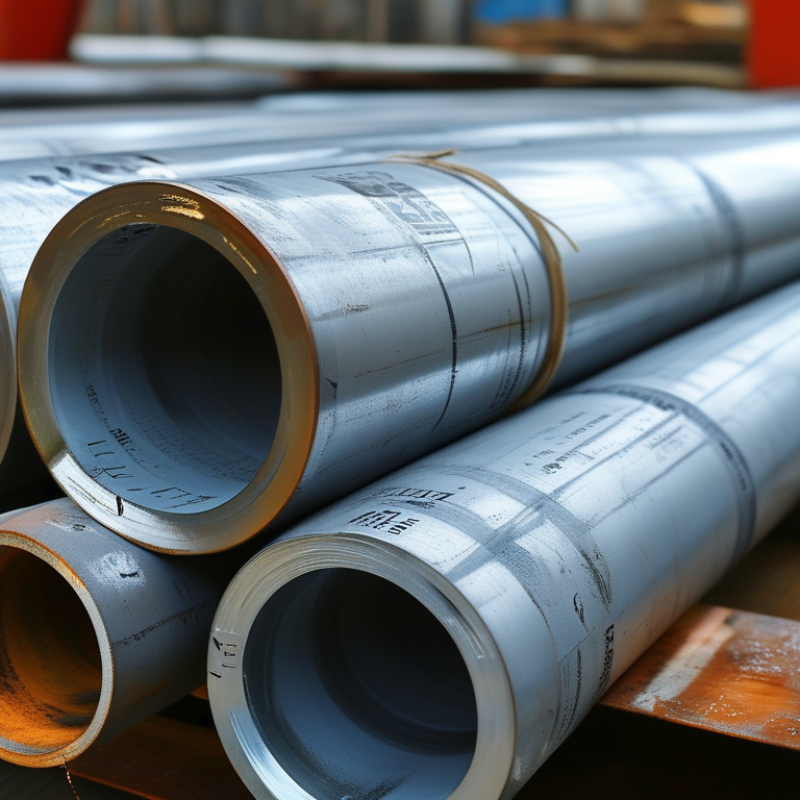
Details reveal professionalism. Check whether pipe ends are protected, bundles are clearly marked, and packaging prevents moisture damage. Confirm standards, including ASTM, ASME, EN, or equivalent specifications. Also review production capacity and lead times. A supplier may offer excellent samples but struggle with consistent large orders.
Price still matters.
But price alone is weak evidence.
My judgment would remain cautious when a supplier avoids factory audits or gives vague answers. Even experienced buyers can overlook small issues, such as inconsistent wall thickness or incomplete documentation. The best Stainless Steel Pipe supplier is therefore not always the cheapest. It is the partner that delivers verified material, stable quality, transparent communication, and dependable support after shipment.
Key Criteria for Evaluating Stainless Steel Pipe Suppliers in China
What Is the Best Stainless Steel Pipe Supplier in China?
Key Criteria for Evaluating Stainless Steel Pipe Suppliers in China
Choosing a stainless steel pipe supplier requires more than comparing quotations. In practice, material consistency often matters more than a small price difference. Ask for heat numbers, mill certificates, and batch traceability records. The supplier should explain grade, diameter, wall thickness, surface finish, and tolerance clearly. Vague answers create risk. Request samples before approving large quantities. Check welds, pipe ends, packaging, and markings carefully.
Technical capability is another key criterion. Confirm whether the factory controls forming, welding, annealing, pickling, polishing, and final inspection. Independent testing can verify chemical composition, tensile strength, hardness, and hydrostatic performance. Standards such as ASTM, ASME, or EN should match your drawings and service conditions. Certificates alone are not enough. Review test dates, laboratory details, and sample references. A factory visit, video audit, or third-party inspection may reveal storage problems.
Reliability also appears in communication. A dependable supplier provides realistic lead times, written tolerances, and a clear response to nonconforming pipes. Ask how replacement claims are handled. Weak packing can damage pipes during long-distance transport. Moisture protection, capped ends, separators, and crate strength deserve attention. No supplier is perfect. Even careful evaluations can miss production changes, so retain inspection records and reassess performance after delivery.
How to Identify Qualified Stainless Steel Pipe Manufacturers
What Is the Best Stainless Steel Pipe Supplier in China?
How to Identify Qualified Stainless Steel Pipe Manufacturers
A qualified stainless steel pipe manufacturer should prove its capability, not merely promise low prices. Check its production equipment, welding methods, heat-treatment facilities, and inspection process. A factory producing welded pipes should explain how it controls seam quality, ovality, wall thickness, and surface finish. Ask for recent mill test certificates, material certificates, and heat numbers linked to each batch. Traceability matters.
Look closely.
Experienced buyers should compare the manufacturer’s standards with project requirements. Confirm whether the pipes meet ASTM, ASME, EN, or other specified standards. Request test records for chemical composition, tensile strength, hardness, hydrostatic pressure, and intergranular corrosion when applicable. Independent inspection can verify these results before shipment. A reliable supplier should accept reasonable audits and provide clear corrective-action records.
Factory visits reveal details that documents may hide. Observe stainless steel coils, storage conditions, welding areas, marking, and packing. Rust stains, mixed grades, or unclear labels deserve questions. Communication also shows technical maturity. Can the engineer explain tolerance limits and surface grades without avoiding specifics? In one audit, a neat showroom created confidence, but inconsistent batch records weakened it. That was a useful reminder: appearance is evidence, not proof. Check references, export experience, delivery history, and after-sales responses. A small sample order may expose problems before a large contract does.
Assessing Materials, Standards, Production, and Quality Control
What Is the Best Stainless Steel Pipe Supplier in China?
The best supplier proves control at every stage, not only through a low quotation. The International Stainless Steel Forum reported about 58.4 million tonnes of global stainless crude steel production in 2023. China remained the largest producing region, according to the World Steel Association’s 2024 statistics. This scale creates choice, but also increases quality variation.
Assess the material certificate before discussing delivery. Confirm the stainless grade, heat number, chemical composition, and mechanical results. A reliable factory should support PMI testing, heat treatment records, hydrostatic or eddy-current testing, and dimensional inspection.
ASTM A312, EN 10217, and GB/T 14976 may apply to different pipe uses. The supplier must match the correct standard, not simply list several standards.
Check weld integrity, wall thickness, ovality, surface finish, and end preparation. Traceability should continue from billet to final packing. No supplier is flawless. A clean certificate can still hide weak process discipline.
Tips:
Request a sample inspection plan. Ask for recent independent test reports. Compare measured wall thickness at several points, especially near welded seams. Visit the production line when possible. Look for calibrated gauges, separated material lots, and visible nonconforming-product controls. Also review complaint records, although suppliers rarely present them openly. That gap deserves careful questioning. The strongest choice combines verified data, experienced inspectors, stable production capacity, and transparent communication.
Comparing Prices, Customization, Certifications, and Delivery
Choosing the best stainless steel pipe supplier in China requires more than comparing a single quotation. Price should include material grade, wall thickness, testing, packaging, and inland transport. A cheaper offer may exclude inspection fees or use a thinner tolerance. That difference matters.
Customization is equally important. Reliable suppliers can discuss outer diameter, length, surface finish, welding method, and connection standards. Ask for sample drawings before production. Request a trial batch when specifications are unusual. Small details prevent expensive rework. I have noticed that buyers sometimes overestimate customization speed. Complex sizes may require new tooling, additional inspection, or several approval rounds.
Certifications should be verified, not simply listed. Check whether the supplier can provide material test certificates, dimensional reports, hydrostatic test records, and traceability documents. Relevant quality systems, such as ISO 9001, are useful, but they do not replace product inspection. Delivery planning needs the same care. Confirm production capacity, packing methods, port location, and realistic lead times in writing. A supplier promising shipment in seven days may be quoting only factory preparation. Build a buffer for inspection and customs clearance. This is easy to overlook. A dependable evaluation also includes factory communication: clear technical replies, consistent documents, and willingness to explain limitations. The best choice is not always the lowest price. It is the supplier whose quality, customization, certification, and delivery promises can be checked.
Steps for Choosing the Best Supplier for Your Project
What Is the Best Stainless Steel Pipe Supplier in China? The answer depends on your project’s risks, not only the lowest quotation. The International Stainless Steel Forum reported global stainless steel production of about 58.4 million tonnes in 2023. This scale increases choice, but it also makes supplier screening essential.
Start by matching the supplier’s experience with your pipe specification. Check grade, outside diameter, wall thickness, surface finish, and delivery length. For process piping, request compliance evidence for ASTM A312, EN 10217, or your specified standard. Ask for recent mill certificates, chemical analysis, tensile results, and hydrostatic test records. Traceability matters. Heat numbers should follow the pipe from production to packing.
Then audit manufacturing control. Review welding procedures, solution annealing records, dimensional inspection, and non-destructive testing. An independent inspection can verify random samples before shipment. The 2024 ISSF data shows stainless steel demand remains globally significant, but production volume does not prove quality. Price deserves scrutiny too. A very cheap offer may hide thinner walls, weaker documentation, or inconsistent polishing. I would compare total delivered cost, including inspection, packaging, duties, and delay exposure. A video audit helps, but it is not enough. I would not treat one successful order as permanent proof. Recheck certificates and sample performance before scaling the contract.